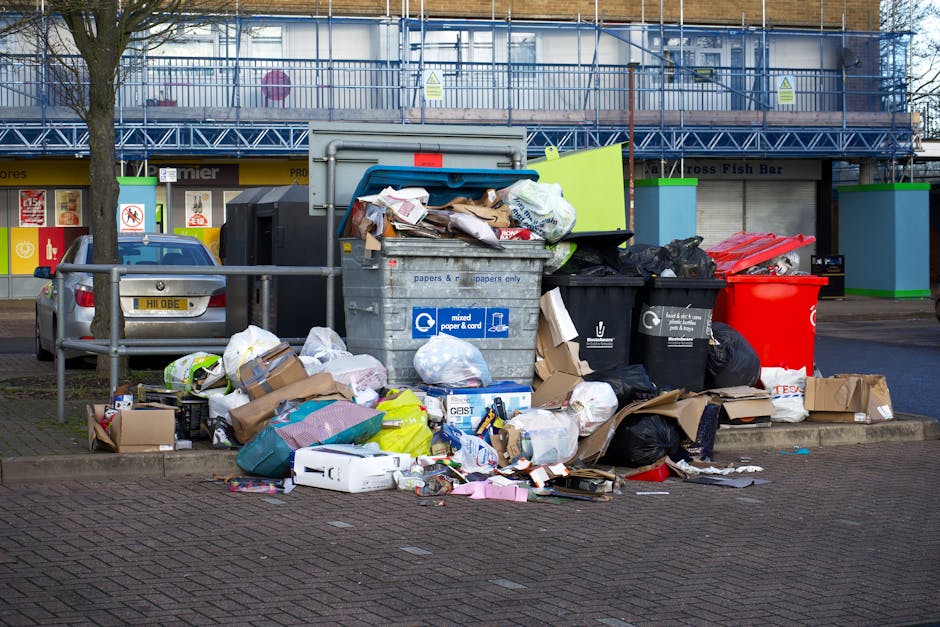
Waste disposal rules in The Hyde: Tameside Council guidance
Posted on 29/07/2026
If you live, work, or are moving in The Hyde, waste can become one of those jobs that looks simple until the bins are full, the labels are confusing, and you realise the council has specific rules for what goes where. Waste disposal rules in The Hyde: Tameside Council guidance matter because getting it wrong can mean missed collections, extra costs, or just a lot of unnecessary faff on an already busy day. This guide breaks it down in plain English, with practical steps you can actually use, whether you are clearing a flat, handling bulky items, or trying to keep a move on track without leaving a mess behind.
And yes, that includes the awkward bits: mixed rubbish, recycling, garden waste, electrical items, and what to do when you have a sofa, mattress, or broken appliance staring at you from the hallway. Let's make it straightforward.
Why Waste disposal rules in The Hyde: Tameside Council guidance Matters
Good waste handling is not just about keeping the street tidy, although that matters too. It also affects safety, hygiene, shared spaces, local recycling performance, and how smoothly a move or clear-out goes. In a place like The Hyde, where people live in a mix of flats, terraces, family homes, and busier residential streets, waste piles up quickly if nobody has a plan.
To be fair, most people only think about council waste rules when something goes wrong. A bin is refused. A bulky item won't fit. Recycling gets contaminated. Or a landlord suddenly wants the place empty by the weekend. That's when the rules stop being background noise and become very practical.
Understanding the guidance also helps you avoid one of the most common moving-day headaches: what to do with unwanted items at the last minute. A little knowledge goes a long way, especially if you are already juggling packing, keys, parking, and the general chaos that comes with moving house. If you are planning a clear-out as part of the move, articles like decluttering advice for packing and relocating and smart packing tips for your next house move can help you reduce waste before it becomes a disposal problem.
Expert summary: The easiest way to stay on the right side of local waste rules is to sort early, separate recyclables properly, treat bulky items as a separate job, and check what your collection service actually accepts before you leave anything at the kerb.
How Waste disposal rules in The Hyde: Tameside Council guidance Works
Most local waste systems work on a few simple principles: separate materials, present them correctly, and do not place prohibited items in the wrong container. That sounds obvious, but in day-to-day life it gets messy fast. One week it is a broken toaster. The next it is old paint tins, flattened boxes, a busted chair, and two black bags that are not really black-bag material at all.
The practical process usually looks something like this:
- Identify what you have: general waste, mixed recycling, food waste, garden waste, bulky items, or special waste.
- Check whether the item is accepted in your regular collection service.
- Prepare it correctly: empty, clean, dry, bagged, bundled, or separated as required.
- Use the appropriate route for disposal: household bins, recycling points, booked bulky waste collection, reuse, donation, or a licensed removal service.
- Keep proof of what you have arranged, especially for larger clearances or commercial waste.
In The Hyde, this matters even more for homes with limited storage or no easy rear access. A hallway can fill up quickly, and if you are moving from a flat, the exit route can turn into a bottleneck very easily. If access is tight, the move itself and the waste plan should be treated as one job, not two. That is why related local planning advice such as access tips for van loading in The Hyde can be genuinely useful.
There is also a distinction between ordinary household waste and bulky waste. Bulky waste usually means items too large for your normal bin service: sofas, wardrobes, mattresses, white goods, tables, and similar pieces. A lot of people assume they can simply leave large items next to the bin. Usually, that is not how it works, and it can lead to inconvenience for neighbours and enforcement headaches for you.
Key Benefits and Practical Advantages
Following the correct waste disposal route is not just about staying compliant. There are some very tangible benefits, and they show up quickly in real life.
- Less stress on moving day: when waste is sorted ahead of time, the move feels cleaner and calmer.
- Fewer delays: no last-minute panic because the council will not take a certain item.
- Better recycling outcomes: reusable and recyclable materials are easier to divert from landfill.
- Safer homes and stairwells: less clutter means fewer trip hazards.
- Lower chance of complaints: especially in shared buildings and terraced streets.
- Cleaner handovers: landlords, agents, and buyers tend to notice when a property has been left properly cleared.
There is also a practical money angle. A well-organised disposal plan can stop you paying for extra call-outs or emergency clearances. It is one of those behind-the-scenes jobs that saves hassle now and later. Small effort, decent payoff.
And if your unwanted items are still usable, reuse can be a better first step than disposal. A decent side table or near-new chair is a very different proposition from a broken one. If you are dealing with furniture that is still in good condition, it can help to think in terms of relocation, storage, or resale before you default to the bin. That is why pages like sofa storage and longevity tips and storage options in The Hyde fit naturally into the wider waste-reduction picture.
Who This Is For and When It Makes Sense
These rules and practical habits matter for more people than you might think. If you are only thinking about waste when the wheelie bin is full, you are already late to the game a bit. Here is who benefits most from having a clear plan.
- Home movers: especially if you are decluttering before completion day.
- Flat residents: shared bins and limited storage make timing important.
- Students: end-of-term clear-outs create a surprising amount of waste, honestly.
- Landlords and letting agents: end-of-tenancy clearances need tidy, predictable disposal.
- Small businesses: packaging, fittings, and office junk often need separate handling.
- Families doing renovations: old fixtures and materials can build up fast.
It also makes sense if you are dealing with a last-minute move. In those situations, people are tempted to throw everything into a couple of bags and hope for the best. That rarely ends well. A more measured approach helps, even if it is only twenty minutes of sorting before the van arrives.
If your move includes furniture, beds, or mixed household contents, it can help to coordinate disposal with the rest of the job. Related guidance like moving beds and mattresses safely and storage tips for bulky furniture can reduce waste before the item ever reaches the curb.
Step-by-Step Guidance
Here is the cleanest way to handle waste disposal in The Hyde without overcomplicating it.
- Sort early. Do not wait until the night before. Separate general waste, recycling, reusable items, and bulky pieces as soon as you know what is leaving.
- Check item type. Think in categories: cardboard, plastics, glass, food waste, textiles, electricals, garden waste, and furniture.
- Remove contamination. Food residue on packaging, mixed materials, or loose rubbish inside recycling can cause the whole lot to be rejected.
- Bundle or bag correctly. Some materials need to be tied, flattened, or placed loose. Others need secure bags. Check the format before collection day.
- Book bulky waste separately if needed. Sofas, fridges, beds, and wardrobes usually need a specific route.
- Use reusable items wisely. If something still works, consider donating, selling, or storing it rather than disposing of it.
- Plan for access. Make sure bins and items can actually be moved out without blocking doors, stairs, or pavements.
- Keep a final sweep. Check cupboards, lofts, garages, sheds, and under-bed storage before you call the job done.
A small note from experience: it is amazing how often people forget the "junk drawer" items. Chargers, broken lamps, old cables, random screws. The small stuff adds up. Quietly, annoyingly, it adds up.
If you are moving and need a bit more structure around the entire process, this moving guide for a smoother, less stressful day pairs well with waste planning because it helps you think ahead instead of reacting at the last second.
Expert Tips for Better Results
Good waste disposal is really a mix of common sense and consistency. The details matter more than people expect. A few practical habits make the whole thing much easier.
- Use a "keep, recycle, donate, dispose" system. Four piles is usually enough and avoids decision fatigue.
- Flatten cardboard immediately. It takes up less space and makes sorting easier.
- Empty containers fully. Leftover paint, food, or liquid can turn recyclable items into general waste.
- Save a box for special items. Batteries, cables, chargers, and small electronics deserve one place, not six random drawers.
- Book time for bulky items. They almost always take longer than people think.
- Protect shared spaces. If you live in a block, move items carefully and avoid leaving them in communal hallways.
- Ask before assuming. A quick check can stop a very avoidable mistake.
One thing people sometimes miss is the value of staging. If you collect waste in one spot as you pack, you can see patterns. You will notice whether most of your waste is actually packaging, or whether you are throwing away perfectly usable stuff because it was easier than deciding what to do with it. That little bit of honesty helps.
For residents managing bigger items alongside a move, the local topic of bulky waste removal options in The Hyde is worth reading alongside this guide.
Common Mistakes to Avoid
Most waste problems come from a handful of avoidable errors. Nothing dramatic. Just small assumptions that snowball.
- Mixing recycling with general waste: one food-stained bag can spoil an otherwise good load.
- Leaving waste out too early: this can create mess, attract pests, or annoy neighbours.
- Dumping bulky items without checking collection rules: not worth the risk, and usually not allowed.
- Forgetting electricals: kettles, monitors, extension leads, and old appliances often need special handling.
- Overfilling bins: lids need to close properly in most systems.
- Assuming the same rules apply to flats and houses: shared properties often have stricter practical expectations.
- Leaving disposal to the last day: the classic mistake. We have all seen it, or done it once and regretted it.
Another common slip is forgetting the difference between "it looks tidy" and "it is actually compliant." Those are not the same thing. A neat pile on the pavement may still be the wrong approach if it is not scheduled or permitted.
Tools, Resources and Recommendations
You do not need fancy equipment to handle waste properly, but a few simple tools make a big difference.
- Sturdy bin bags: stronger bags reduce spills and make lifting easier.
- Marker pens and labels: brilliant for separating recycling, donation, and disposal items.
- Box cutters and tape: useful for flattening and bundling cardboard.
- Gloves: essential for sharp edges, dirty items, and awkward clear-outs.
- Trolley or sack truck: especially helpful if you are moving bulky bits from a flat or rear garden.
- Reused boxes: ideal for sorting cables, small electricals, and miscellaneous items.
For bigger household clear-outs, it can be sensible to combine waste sorting with packing and storage decisions. Items that are not rubbish but do not need to travel with you right away can be set aside. That is where packing and box supplies in The Hyde and local storage options become useful in the broader plan.
If you are removing heavy or awkward items yourself, use proper lifting technique. This is not the place to be heroic. A badly lifted wardrobe or white good can turn a tidy clearance into a very sore afternoon. For practical lifting awareness, safe heavy-lifting advice and better lifting technique guidance are worth a look.
Law, Compliance, Standards, or Best Practice
Waste handling sits within the wider framework of UK environmental and household waste expectations. You do not need to memorise legislation to act responsibly, but you should understand the basics: waste must be stored, sorted, and handed over in a way that avoids nuisance, contamination, or illegal dumping. In plain terms, if you are the person producing the waste, you are also responsible for dealing with it properly.
Best practice usually means three things: use authorised collection routes, separate recyclable material where possible, and keep evidence if you have arranged a paid clearance. That last part matters more for landlords, businesses, and anyone disposing of larger quantities. If you pay someone to remove waste, you want to know it was handled correctly, not just vanished down the road.
For householders in The Hyde, the main compliance risk is usually not some dramatic legal issue. It is more mundane: putting the wrong thing in the wrong place, leaving refuse out inappropriately, or using a service that is not suited to the item. Still, mundane can become expensive, and nobody wants that.
It is also good practice to treat recycling seriously rather than casually. The difference between "recycling" and "general waste" can be surprisingly simple: clean, dry, and separated versus mixed, dirty, and dumped together. Not glamorous, but that is the reality.
Options, Methods, or Comparison Table
There are usually several ways to deal with waste in The Hyde. The best one depends on what you are throwing away, how much there is, and how quickly it needs to go.
| Method | Best for | Pros | Watch out for |
|---|---|---|---|
| Regular household bins | Everyday waste and standard recycling | Simple, familiar, usually low effort | Limited capacity; contamination can cause rejection |
| Bulky waste collection | Sofas, beds, wardrobes, white goods | Designed for large items; less lifting if arranged well | Needs planning and may not suit urgent clear-outs |
| Reuse or donation | Usable furniture, appliances, household items | Reduces waste and helps others | Items must be clean and in acceptable condition |
| Private clearance or removal service | Mixed or larger volumes, move-related clear-outs | Flexible and convenient | Choose carefully and confirm what is included |
| Self-haul to disposal point | Smaller loads or awkward items you can transport safely | Can be efficient if you have a suitable vehicle | Time, access, loading effort, and safety |
Truth be told, most people end up using a combination of these rather than just one. That is normal. A few bags go in the bin, some cardboard gets flattened, a chair gets donated, and the broken desk gets scheduled for removal. Clean, practical, done.
Case Study or Real-World Example
Imagine a couple moving out of a first-floor flat in The Hyde on a Friday afternoon. They have packed most of the contents, but there is still an old mattress, two chipped dining chairs, a stack of flattened boxes, and a box of mixed odds and ends from the kitchen. At first glance, it feels like all one job. In reality, it needs four different decisions.
The mattress and chairs are bulky waste. The cardboard can be recycled if it is clean and dry. The mixed kitchen items need sorting into general waste, reusable bits, and anything that belongs in recycling. The couple also notices that a few old pans and cables are tucked away in a cupboard they had forgotten about. Classic. Happens all the time.
By separating everything before the van arrives, they avoid last-minute arguments about what can fit, what can go, and what has to be left behind. The move finishes faster, the flat is left tidier, and there is no scramble to drag a mattress downstairs when everyone is already tired. That is the real value of following sensible waste disposal rules: less noise, less stress, fewer surprises.
If you are in a similar position, local moving support such as house removals in The Hyde or man and van support in The Hyde can help coordinate the physical side of the move, while your waste plan handles the clear-out side.
Practical Checklist
Use this before collection day or moving day. It keeps things grounded.
- Sort items into general waste, recycling, reusable, and bulky categories.
- Check whether any items need special handling, especially electricals or large furniture.
- Flatten cardboard and empty containers where possible.
- Keep recycling clean and uncontaminated.
- Make sure bags are secure and not overfilled.
- Separate valuable or usable items for donation, storage, or resale.
- Confirm access routes for bins, boxes, and bulky items.
- Do a final check of cupboards, lofts, sheds, and under furniture.
- Avoid leaving waste on pavements or in communal areas unless it is arranged properly.
- Keep records if you use a paid clearance or disposal service.
One small trick that helps: set aside a "decision box." Anything you are unsure about goes in there first. You do not have to solve every item immediately. That little pause can stop hasty mistakes.
Conclusion
Waste disposal rules in The Hyde: Tameside Council guidance are really about practical responsibility. If you sort early, separate your materials properly, and treat bulky waste as a separate task, the whole process becomes much easier. That is true whether you are moving home, clearing a flat, or just trying to get back control of a cluttered space.
The big win is simple: fewer delays, less mess, and a cleaner handover. And let's face it, a tidy finish always feels better than that last-minute pile of "I'll deal with it later." If you build the habit once, it gets easier every time.
Get a free quote today and see how much you can save.
Even if you are only halfway through the sorting stage, take a breath. Start with the obvious stuff, keep going in small steps, and the rest usually falls into place.