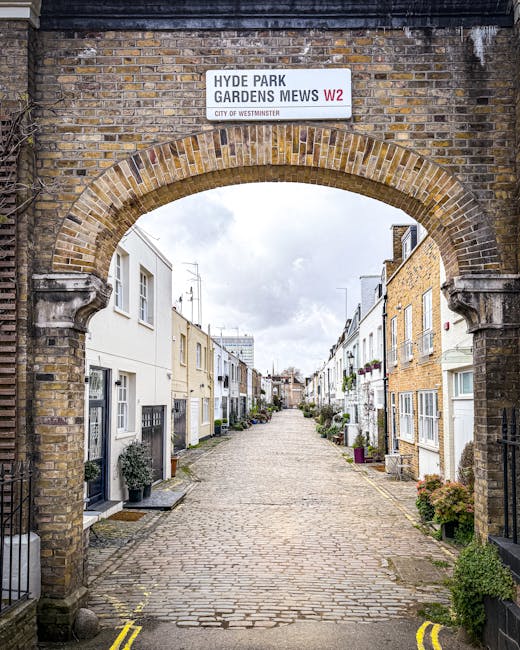
Do you need a road closure for moves on Market Street, Hyde?
Posted on 05/07/2026
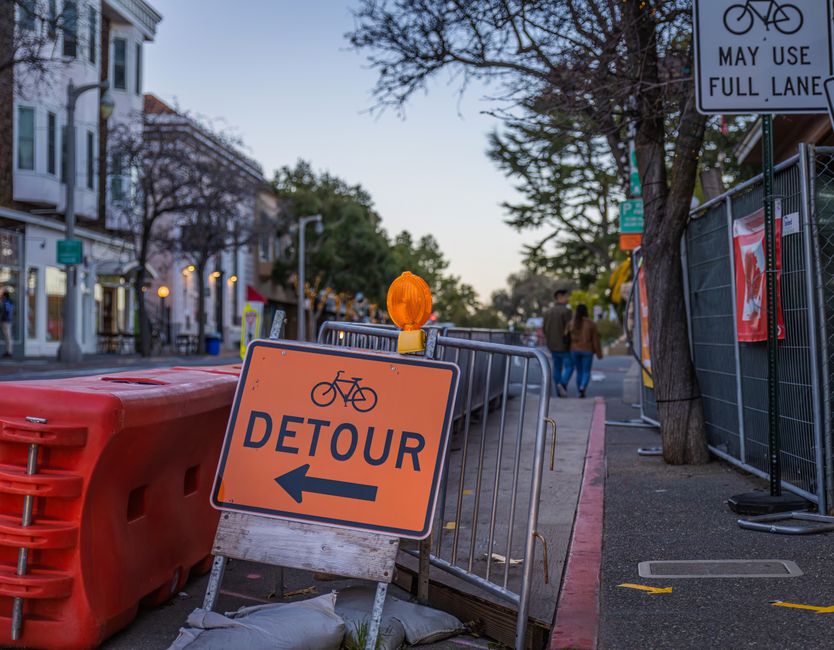
If you are planning a move on Market Street, Hyde, the big question is usually not just how to move, but whether you need to control the street while you do it. Do you need a road closure for moves on Market Street, Hyde? Sometimes yes, sometimes no. It depends on the size of the move, the width of the road, parking pressure, pedestrian flow, and how long the van will need to be positioned outside the property.
In plain English: if the move can happen safely with a legal parking setup and enough room for loading, a full closure may be unnecessary. If the road is tight, busy, or the job needs a long loading window, then traffic management may become the safer option. That is the practical answer most people are really after.
This guide breaks the decision down in a calm, local, no-nonsense way. You will learn what a road closure actually means, when it tends to be requested, how it affects house moves and flat moves, what risks come with trying to "just wing it", and which alternatives may be more realistic. If you are already planning the packing side of things, it also helps to look at savvy packing tips for your next house move and how to make your next house move smooth and stressfree so the road plan and the packing plan work together.
To be fair, moves rarely go wrong because of one huge issue. They go wrong because of ten small ones. A van arrives late, somebody double-parks, boxes are still loose, the pavement is blocked, and suddenly everyone is stressed. This article is here to help you avoid that sort of day.
Why Do you need a road closure for moves on Market Street, Hyde? Matters
Market Street is not the kind of place where you want to improvise on moving day. Even a well-planned move can be thrown off by traffic, parked cars, delivery vehicles, pedestrians, or a neighbour who needs access at exactly the wrong time. In a busy or narrow street, the difference between a tidy move and a chaotic one is often the amount of space you control.
A road closure matters because it changes the whole rhythm of the job. With space secured, the team can load steadily, keep boxes moving, and avoid the stop-start dance of moving furniture in and out while watching for vehicles. Without it, you may be relying on luck and goodwill. And let's face it, luck is a poor moving strategy.
There is also a safety angle. Large items like wardrobes, beds, sofas, and desks are awkward enough on a driveway. On a live street, they become much trickier. If you are moving larger household pieces, a simple route through the property and into the van is important. Articles like essential hacks for moving beds and mattresses and storage tips for sofas can help with the physical side, but the street-side logistics still need thought.
A final point: road closures are not just about inconvenience. They are about making sure your move does not create avoidable disruption for neighbours, other road users, or the property itself. On a street like Market Street, a small bit of planning can save a lot of apologising later.
How Do you need a road closure for moves on Market Street, Hyde? Works
The process is usually more straightforward than people expect, but it is not instant. A road closure or temporary traffic control generally needs to be arranged in advance, and it may involve assessing the street, the timing of the move, and whether a simpler parking or loading arrangement would work instead.
In many cases, the first question is not "Can we close the road?" but "Do we actually need to?" That distinction matters. A full closure can be overkill for a small flat move, especially if there is enough room for a van to load from the kerb without blocking access. For a larger property move, office move, or a job with awkward access, it can make a real difference.
A typical setup may include one or more of the following:
- temporary no-parking arrangements
- limited loading only at specific times
- partial lane control or managed access
- a full or short-duration road closure
The right option depends on the road layout and the volume of traffic. If you are unsure whether access is the main challenge, it is worth reading access tips for tight van loading situations and Tameside Council parking permits for removals in the Hyde. Those topics sit very close to the real-world problem here: space, timing, and the ability to park legally without causing a queue behind you.
One useful way to think about it is this: if the van can park safely, the front door is reachable, and pedestrians can still pass, you may only need parking control. If the van would block the street, trap residents, or create a hazard while items are carried, the case for a road closure becomes much stronger.
Key Benefits and Practical Advantages
When a road closure is genuinely justified, the benefits are not abstract. You feel them on the day.
- Safer loading: fewer vehicles passing close to movers carrying bulky items.
- Less stress: everyone can focus on the move instead of constantly checking traffic.
- Faster workflow: the team can keep a cleaner loading rhythm.
- Reduced damage risk: less chance of bumping furniture, mirrors, or door frames during rushed handling.
- Better neighbour relations: fewer blocked driveways, fewer awkward conversations, fewer complaints.
There is a commercial side too. If you are comparing moving options, a smoother access plan can make a mover's quote more predictable. That is one reason why removal quotes vary in the Hyde is such a useful read. Access, permits, waiting time, and parking restrictions often change the shape of the job more than people expect.
For a household move, the biggest benefit is peace of mind. For a business move, the biggest benefit is continuity. For example, if you are arranging an retail move near Hyde Town Hall, the pressure is not just moving the stock, it is keeping the operation tidy and avoiding a messy public-facing scene.
Sometimes the best result is simply this: nobody notices the move much at all. Quiet, controlled, efficient. That is the gold standard, really.
Who This Is For and When It Makes Sense
This is not only for big houses or complicated commercial jobs. A road closure or partial traffic control may make sense for a range of moves on Market Street, Hyde.
You may need to consider it if you are:
- moving from a property with no driveway or off-street loading area
- handling a large family home with several heavy items
- moving furniture from a top-floor flat or awkward stairwell
- running a shop, office, or small business relocation
- moving during peak traffic periods or school-run times
- dealing with repeat deliveries, multiple vans, or a long loading window
It can also make sense if the move involves especially awkward items. Pianos are the obvious one, and they deserve proper handling. If that is part of your plan, professional piano moving advice is worth a look. A piano move without good access control is exactly the sort of thing that turns into a headache before breakfast.
Students, by contrast, often need something lighter-weight. If you are shifting a smaller load from a flat or shared house, a full closure is less likely to be necessary. You may find it more useful to think about timing, loading distance, and parking rather than a full street shutdown. That is why student flat moves by Flowery Field Station can be a more relevant planning model than a full-house scenario.
Truth be told, the need usually comes down to one thing: can the move happen safely without interrupting the whole street? If yes, keep it simple. If no, step up the traffic plan.
Step-by-Step Guidance
If you are trying to work out whether a road closure is necessary, use a simple sequence. It stops the decision getting fuzzy.
- Assess the access. Measure the road visually. Can a van park without blocking driveways or corners? Can furniture be carried without stepping into live traffic?
- Look at the load size. A few boxes and a couple of small items are very different from beds, wardrobes, white goods, or office equipment.
- Check timing. Early morning may be easier than mid-afternoon. Peak periods tend to make everything slower, and a bit noisier too.
- Decide between parking control and closure. In many cases, no-parking space or a loading bay is enough. A closure should be reserved for more difficult situations.
- Plan the physical move. Pack properly, label clearly, and separate essentials. You do not want somebody hunting for kettle parts while the van is waiting. Small drama, but still drama.
- Build in a margin. If the van arrives, the road is busier than expected, or an item is trickier to get out than planned, you need a little slack.
There is a reason experienced movers spend so much time on the boring parts before the van arrives. Good prep reduces the pressure on the street. For more practical prep guidance, see pre-move cleaning tips and decluttering advice for packing and relocating. A tidy move is a calmer move, and a calmer move usually needs less intrusive traffic management.
If storage is part of the picture, you may also want to think beyond move day itself. storage in the Hyde can be useful when you are staging a move in phases, rather than trying to do everything in one hit. That approach can reduce the volume going out at once, which sometimes removes the need for a closure altogether.
Expert Tips for Better Results
A few small decisions make a surprisingly large difference. In our experience, the best move days are rarely the ones with the fanciest plan. They are the ones with fewer loose ends.
- Choose the least disruptive time possible. Early morning often gives you more breathing room, though this depends on the property and local traffic patterns.
- Pre-stage everything near the exit. Furniture, boxes, and fragile items should be ready to go, not still wandering around upstairs.
- Keep walkways clear. It sounds obvious. Yet there is always one hallway with a lamp, two bags, and a rogue umbrella in the way.
- Use the right vehicle size. A vehicle that is too small creates extra trips and more time on the road.
- Match the moving method to the property. A flat move is not the same as a full house move. Likewise, an office relocation has its own pressures and timings.
If your move is more than a simple load-and-go, it is worth looking at flat removals in the Hyde, house removals in the Hyde, and office removals in the Hyde to understand which kind of move best matches your situation. Different move types create different access demands. That part is easy to underestimate.
One more thing: if the job looks awkward on paper, do not wait until the last 24 hours to ask about access control. That is the classic moment when everyone suddenly realises the van cannot simply magic itself into place. Happens more than people admit.

Common Mistakes to Avoid
The biggest mistake is assuming the road situation will sort itself out on the day. It rarely does. Streets do not become less busy because a moving van is in a hurry.
- Leaving parking decisions until arrival. That often leads to double-parking, delays, and irritated neighbours.
- Underestimating loading time. Heavy items take longer than people expect, especially if stairs or narrow doorways are involved.
- Ignoring pedestrian flow. If people still need to pass, your move must respect that.
- Over-ordering the smallest possible van. That can multiply trips and stretch the disruption.
- Forgetting weather and surface conditions. Rain, ice, or slippery paving can slow everything down and increase risk.
There is another subtle error: focusing only on the van and forgetting the property entrance. A road closure does not solve a cluttered hallway, a stiff stair turn, or a sofa that barely fits through the door. Those are separate issues. If you are dealing with heavier items, the advice in how to lift heavy loads properly and kinetic lifting foundations may be useful, though some jobs are best left to professionals rather than heroic DIY attempts. Your back will not thank you later.
People also sometimes assume a permit is the same thing as a closure. It is not. A permit may help you park or load legally, but it does not automatically control the road. Knowing the difference can save you from planning the wrong solution.
Tools, Resources and Recommendations
You do not need a huge toolkit to organise this well, but you do need the right basics.
- Measuring tape: useful for checking furniture dimensions and doorway clearances.
- Labels and markers: keep boxes organised so unloading is not a guessing game.
- Floor and furniture protection: especially helpful where there is polished flooring, narrow stairs, or tight corners.
- Spare packing materials: tape, blankets, and wraps always seem to disappear at the worst time.
- A realistic moving plan: probably the most valuable tool of all, even if it is only a sheet of paper.
For extra planning support, these internal resources are especially useful:
- services overview if you want to compare move types and see what suits your job
- man with a van in the Hyde for lighter, flexible moves
- man and van in the Hyde when you need practical loading support
- furniture removals in the Hyde for bulky household items
- same day removals in the Hyde if timing is tight and the plan needs to be sharp
And if you want the process to feel less rushed overall, a few general move-planning reads help the whole picture. make your next house move smooth and stressfree pairs well with savvy packing tips. You will usually notice the benefit before the van even turns up.
Law, Compliance, Standards, or Best Practice
When a road closure is being considered, safety and legal compliance matter more than convenience. The exact permissions and process can vary depending on the street, the local authority's requirements, and the type of traffic control needed. So it is best to treat this as something to check properly rather than guess.
At a practical level, the key best-practice points are straightforward:
- do not block emergency access
- do not force pedestrians into unsafe routes
- do not obstruct neighbours' driveways or essential entrances
- make sure parking and loading arrangements are legal
- plan traffic control in advance, not on the morning of the move
If a road closure is requested, it should be proportionate to the risk and disruption involved. A huge shutdown for a small move is usually unnecessary. On the other hand, trying to squeeze a difficult move into a live street can create safety problems that are entirely avoidable. The sensible middle ground is best.
Professional movers also have wider safety duties. You can see this reflected in pages such as health and safety policy and insurance and safety, which signal the kind of careful approach a serious removals business should take. That sort of mindset is what you want around tight roads and awkward loading spaces.
If you are ever unsure, ask for the access plan in plain language: where the van will stop, how long it will be there, whether pedestrians can pass safely, and whether a permit or closure is actually needed. Simple questions. Very effective ones.
Options, Methods, or Comparison Table
Here is a simple comparison of the main approaches people tend to use for moves like this.
| Option | Best for | Pros | Limits |
|---|---|---|---|
| No special traffic control | Small moves with easy access | Fast, simple, low admin | Can fail if parking or loading space is tight |
| Parking restriction or loading arrangement | Most standard household moves | Usually enough to keep the job legal and tidy | Still depends on the road being reasonably manageable |
| Partial traffic management | Busy roads with limited space | Better control without fully shutting the street | Requires more planning and may need advance setup |
| Full road closure | Large, awkward, or high-risk moves | Maximum control and safety | More disruptive and only worth it when genuinely necessary |
For most residential moves on Market Street, the answer will land somewhere in the middle. It is often about parking control, good timing, and a tidy loading plan rather than a dramatic full closure. But if you have a particularly awkward property, or a move with heavy items and very little street width, it can tip the other way quickly.
Case Study or Real-World Example
Imagine a couple moving from a two-bedroom flat on Market Street into a house a few streets away. On paper it sounds straightforward. A couple of sofas, a bed, a mattress, kitchen boxes, and some office gear. The problem shows up in the details: there is no driveway, the street is busy around mid-morning, and neighbours regularly park close to the kerb.
At first, they assume the van can just stop outside for an hour or so. But once the mover looks at the setup, it becomes clear that stopping in the live lane would slow traffic and make lifting furniture awkward. A full closure is probably more than they need, yet doing nothing would be messy. The sensible solution is to secure a parking arrangement, load early, and use clear staging inside the property so the van is kept on site for the shortest realistic time.
That is the sort of judgement call experienced movers make all the time. Not dramatic. Just sensible. The move becomes calmer because the access problem was dealt with before anyone started carrying boxes in the rain.
For a more mobile, time-sensitive situation, you might see the opposite. A student moving from a small flat near local transport links may only need a compact van, a short loading window, and some careful timing. That is why student flat moves by Flowery Field Station can look very different from a family move on the same day. Same town, very different logistics.
Practical Checklist
Use this checklist before deciding whether you need a road closure for your move on Market Street, Hyde.
- Have you checked whether the van can park legally and safely?
- Can pedestrians still pass without being pushed into traffic?
- Are any neighbouring driveways, shop entrances, or access routes affected?
- Do you have heavy, bulky, or awkward items that need a lot of loading time?
- Is the move happening at a busy time of day?
- Do you have enough packing finished so the load process can stay brisk?
- Have you allowed enough time for stairs, corners, and careful handling?
- Would parking control be enough, or does the street really need fuller traffic management?
- Have you thought about insurance, safety, and floor protection?
- Have you confirmed the plan with everyone involved so there are no surprises on the day?
If you are still unsure after ticking those off, that is usually a sign the access plan needs a bit more work. Not a disaster, just a cue to slow down and make the setup clearer.
A useful side note: if you are also clearing out bulky waste before the move, bulky waste removal options in the Hyde SK14 can help reduce the amount of stuff that needs shifting on the day. Less volume often means less disruption.
Get a free quote today and see how much you can save.
Conclusion
So, do you need a road closure for moves on Market Street, Hyde? For many moves, no. For some, yes. The right answer depends on access, timing, volume, safety, and how much space the van and movers really need. The key is to judge the road honestly, not wish it away.
If the move is small and the parking is manageable, a closure is probably unnecessary. If the street is tight, busy, or the load is large and awkward, then some form of traffic control may be the smarter choice. That is especially true if the move involves heavy furniture, business equipment, or anything that needs a long loading window.
In other words: plan for the street, not just the boxes. When the access works, everything else tends to go better. A calmer move is a better move, and that is usually what people want by the time moving day arrives.
And honestly, once the last box is in and the van door shuts, it is nice when the street issue is something you solved early rather than something you fought with all morning.