Access issues on Godley Road, The Hyde: van tips
Posted on 18/06/2026
![A vintage-style tram with dark brown wooden framing and decorative metal railings is partially visible behind a concrete wall and lush green plants, including ferns and leafy shrubs, in an outdoor setting. The tram is decorated with small American flags attached to its exterior, and it appears to be stationary near a pedestrian area. Sunlight filters through the foliage above, casting dappled light onto the scene and highlighting the tram’s windows and detailed craftsmanship. This image captures a moment during a home relocation or moving process where the outdoor environment, possibly part of a residential or scenic area, provides the backdrop for the transportation of furniture or belongings, with [COMPANY_NAME] potentially involved in the logistics of moving or transport services related to the property on Godley Road, The Hyde.](/pub/blogphoto/access-issues-on-godley-road-the-hyde-van-tips1.jpg)
If you are trying to plan a move, delivery, or furniture drop-off and you have hit access issues on Godley Road, The Hyde, you are not alone. Narrow roads, awkward parking, shared entrances, tight turns, low branches, and the odd blocked driveway can turn a simple van job into a bit of a headache. The good news? Most access problems can be handled with the right van tips, a sensible plan, and a calm approach. This guide breaks down what usually causes the trouble, how to work around it, and how to keep your move safe, efficient, and less stressful.
Whether you are arranging a small man-and-van job, a flat move, or a full house removal, the aim is the same: reduce delays, protect your belongings, and avoid that last-minute scramble where everyone stands on the pavement looking at the van like it's supposed to solve itself. Let's make it easier.
Why access issues on Godley Road, The Hyde: van tips matters
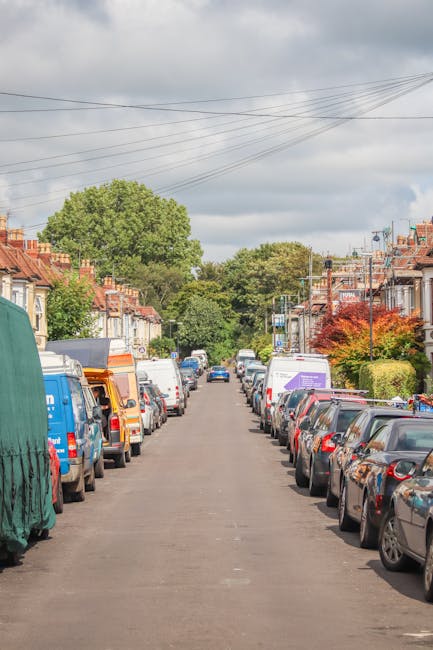
Access sounds like a small thing until it becomes the main thing. On a road like Godley Road, even a short stretch can create problems if there is limited turning room, parked cars, tight frontages, or shared access with neighbours. For moving day, that can mean longer carry distances, extra labour, more risk of damage, and a van that has to stop a bit further away than anyone hoped.
Why does that matter so much? Because van access affects almost everything: timing, loading order, how many people you need, whether bulky items fit through the route, and whether you can keep the job tidy and safe. It also changes the shape of the job commercially. A move that looks straightforward on paper can become slower if the van cannot park close to the property. That is where sensible planning saves time and often a fair bit of stress too.
In our experience, the jobs that go smoothly are rarely the ones with the flashiest equipment. They are the ones where someone checked access properly before the van arrived. Boring? Maybe. Effective? Absolutely.
If you want a broader sense of how a well-organised move is built, you may also find make your next house move smooth and stressfree useful, especially if you are trying to reduce friction from the start.
How access issues on Godley Road, The Hyde: van tips works
Managing van access is really a combination of observation, communication, and sequencing. First, you identify the access constraints. Then you decide what vehicle size, crew size, parking position, and loading method will fit those constraints. Finally, you plan the order of the move so the heaviest or most awkward items are handled with the least number of trips.
For example, if a large removal van cannot sit directly outside the property, a smaller van or a shuttle approach may work better. If the route from the front door to the vehicle is uneven or shared with pedestrians, you may need extra protection for floors, corners, and door frames. If there is a narrow stairwell or a tight landing, some items may need to be taken apart beforehand. Simple enough in theory, slightly more fiddly in real life, as these things tend to be.
The key is not to guess. Walk the route, look for pinch points, and ask yourself a few plain-English questions: Can the van stop safely? Can the doors open fully? Can you turn a sofa at the top of the stairs? Will the driver need someone to stand by and guide them? Those are the details that decide whether the day feels controlled or chaotic.
If your move involves awkward furniture, a good pairing is the practical advice in essential hacks for moving beds and mattresses and sofa storage and handling tips. Both help when access is tight and you need to move items cleanly on the first attempt.
Key benefits and practical advantages
Getting access sorted early might not feel glamorous, but it pays off in very real ways. Here are the biggest advantages.
- Less handling distance: The nearer the van can get, the fewer steps and lifts are needed.
- Lower risk of damage: Fewer awkward manoeuvres mean fewer knocks to walls, banisters, or furniture edges.
- Better time control: A move with predictable access is much easier to schedule.
- Reduced strain: Carrying heavy items over long distances is exhausting and, frankly, where people make mistakes.
- Cleaner unloading: A sensible parking plan helps keep walkways clear and the job tidier.
- Smarter vehicle choice: Sometimes a slightly smaller van is the better tool for the road, not the biggest one available.
There is also a confidence benefit. Once access is planned, the rest of the move feels calmer. You stop worrying about where the van will go and start focusing on the actual job. That mental shift matters more than people think.
Expert summary: On narrow or awkward streets, the best move is often not the biggest van - it is the best-planned one. Measure the route, shorten carry distances where possible, and keep loading order simple.
Who this is for and when it makes sense
This advice is useful for almost anyone moving on or around Godley Road, The Hyde, but it is especially relevant if any of the following apply:
- You live in a flat with shared access or limited parking.
- You are moving a sofa, bed, wardrobe, washing machine, piano, or other bulky item.
- Your property is on a road where parking is often busy.
- You are trying to coordinate a same-day or time-sensitive move.
- You have stairs, a narrow hallway, or a long walk from road to property.
- You are moving with children, pets, or vulnerable family members around, which can make the day feel crowded.
It also makes sense if you are comparing man with a van support in The Hyde versus a fuller removals setup. Access issues often change which option is best. A smaller vehicle can sometimes beat a larger one simply because it can get in and out faster.
For students, shared houses, and smaller moves, student removals in The Hyde can be a better fit when access is tight and the job needs a bit of flexibility. Similar thinking applies to flat removals in The Hyde, where stairs and entrances tend to be the real challenge.
Step-by-step guidance
If you want a practical way to handle access issues, use this sequence. It is simple, but it works.
- Check the approach route. Walk from the road to the property and note any tight turns, steps, low walls, parked cars, bollards, or uneven ground.
- Measure bulky items. Don't just guess. A sofa that looks fine in a lounge can become a right nuisance near a narrow stair turn.
- Decide on the van size. Smaller is sometimes smarter if the road is narrow or parking is unreliable.
- Plan parking and loading points. Think about where the van can wait safely without blocking access or creating tension with neighbours.
- Prepare the property. Remove loose items from hallways, prop doors open where safe, and protect floors if needed.
- Pack for quick handling. Label boxes clearly and keep essential items separate so nothing vital is buried under a mountain of tape.
- Load in the right order. Put heavier items in first and keep frequently needed items accessible.
- Keep communication open. One person should guide the driver and another should manage the house side, if possible.
A quick real-world note: one short phone call can save twenty minutes of guesswork. If a driver knows there is a narrow entrance or no space for turning, they can arrive prepared instead of improvising at the kerb. That alone can change the mood of the whole day.
For packing support, the advice in savvy packing tips for your next house move and packing and boxes in The Hyde can help you keep the move organised even when the access side is awkward.
Expert tips for better results
Here is where small adjustments make a big difference. These are the kinds of things that separate a decent move from a frustrating one.
Use the smallest practical vehicle
If access is restricted, a slightly smaller van can sometimes be the safer and quicker choice. Yes, it may require a bit more thought on volume, but if it reaches the property cleanly and avoids a long carry from the other side of the road, that is often worth it.
Break the job into zones
Think in zones: road, threshold, hallway, stairs, rooms. Where exactly is the bottleneck? Once you know that, you can put your effort in the right place instead of trying to solve everything at once. That's usually where people waste time.
Protect the route before moving the first item
Even a quick move can scuff paintwork, dent corners, or mark floors. Use covers, blankets, or simple protective materials where needed. Not every job needs a fortress of wrapping, but some basic protection is just common sense.
Do a daylight check if possible
Access often looks better at 10 a.m. than it does after dark. If you can inspect the route in daylight, do it. You will spot low branches, uneven paving, and parking pinch points more easily. At 7 p.m., everything looks slightly more annoying than it is.
Keep one person outside
If the van is reversing or manoeuvring in a tight area, have one person act as guide. Clear signals, calm pace, no shouting across the street. It sounds obvious, but you would be surprised how often people forget this and then start waving like they are landing an aircraft.
If you are moving something delicate or unusually heavy, take a look at piano removals in The Hyde and furniture removals in The Hyde. Those pages are useful if your access problem is tied to awkward item handling rather than just parking.
Common mistakes to avoid
Most access problems become worse because of a few predictable errors. Avoid these and you will already be ahead of the game.
- Assuming the van will fit: Never rely on a hunch. Narrow access needs checking.
- Ignoring parking pressure: Local parking can change through the day, and that can derail even a good plan.
- Not measuring furniture: A lot of stress comes from surprise dimensions. Old favourites like sofas and wardrobes are the usual culprits.
- Leaving hallways cluttered: One stray bag or coat stand can become an annoying obstruction when movers are carrying larger items.
- Starting without a backup plan: If the van cannot stop where you hoped, where will it go instead?
- Trying to move too much at once: That is when items get dropped, scraped, or awkwardly wedged in the doorway.
One more thing: don't hide the access problem. People sometimes do that because they worry it will sound inconvenient. Truth be told, it is much more inconvenient if the crew arrives unprepared. A five-minute honest chat is better than a thirty-minute stall on the pavement.
Tools, resources and recommendations
You do not need a huge kit to handle access issues, but a few sensible tools make everything smoother. Here are the essentials.
- Measuring tape: For doors, hallways, stair turns, and bulky furniture.
- Protective blankets and covers: Handy for doors, bannisters, sofas, and other furniture edges.
- Work gloves: Useful for grip and comfort, especially in colder or damp weather.
- Furniture sliders or dolly: Helpful for heavier items where the route allows it.
- Labels and marker pens: Keep boxes organised so unloading is faster.
- Phone photos of the access route: A surprisingly effective way to explain a tricky entrance or parking setup.
It can also help to review related planning advice before moving day. decluttering advice before you pack can reduce the number of items needing to pass through tight access, while pre-move cleaning tips are useful if you want the property ready without scrambling at the end.
If the move includes items you do not want to carry at all, bulky waste removal options in The Hyde may be worth reading alongside your move planning. Fewer items means fewer access headaches. Simple as that.
Law, compliance, standards, or best practice
For local moves, the most important point is not to block roads, driveways, or emergency access unnecessarily. You should always think about safe loading, sensible parking, and clear pedestrian movement. If you are unsure whether a specific parking or stopping arrangement is suitable, err on the side of caution and plan a more flexible setup.
Best practice in removals is usually straightforward: protect people first, then property, then timing. That means avoiding unsafe reversing, preventing trip hazards, and making sure heavy lifting is shared or properly managed. A professional removal team should also have its own health and safety approach, so it is worth checking how they work before move day. For more on that general principle, see the company's health and safety policy and insurance and safety information.
It is also sensible to know your rights and expectations around service terms, privacy, payments, and complaints handling. Those are not the exciting bits, admittedly, but they matter if something changes on the day. You can review the site's terms and conditions, payment and security information, and complaints procedure if you want the wider picture.
For a business background on values and service approach, the about us and services overview pages can be useful. And if you care about responsible handling of waste or recyclable materials during the move, the recycling and sustainability page is worth a look too.
Options, methods, or comparison table
When access is awkward, you usually have a few realistic options. The best one depends on road width, parking pressure, item size, and how far the carry distance is.
| Method | Best for | Pros | Trade-offs |
|---|---|---|---|
| Full-size removal van | Accessible roads, larger house moves | Higher capacity, fewer trips | Can be harder to park or manoeuvre |
| Smaller van or man-and-van setup | Tight roads, flats, lighter loads | More flexible access, easier parking | May need more trips or careful load planning |
| Shuttle loading | Blocked frontage or no direct van access | Works when the van cannot sit outside | Extra handling and coordination required |
| Split move over two visits | Large households or mixed access constraints | Reduces pressure on the busiest part of the day | Needs more planning and timing discipline |
In plain terms, the smartest method is the one that fits the street, not the one that looks biggest on a quote. That sounds obvious, but people still forget it every week.
Case study or real-world example
A typical example: a customer in The Hyde was moving from a first-floor flat with a narrow stairwell and limited roadside space. The original plan was to use one larger van and load everything in one go. On inspection, that looked a bit optimistic. The street had parked cars on both sides, and the property frontage left very little room to stop safely.
Instead, the move was adjusted. The team used a smaller van, pre-sorted the furniture by priority, and kept the heavier items near the back of the loading order so they could be unloaded in the correct sequence. Two hallway protectors were placed at the tightest points, and one person managed the outside route while another handled the stairs. No drama. No last-minute panic. Just a slightly more thoughtful setup.
The interesting part was that the move felt slower at the start but faster overall. Why? Because nobody wasted time forcing a vehicle into a bad position. That is the hidden value of good access planning: it often looks uneventful from the outside, and that is exactly what you want.
If you are moving from a nearby flat or student property, student flat moves by Flowery Field Station gives a good sense of how local access and timing can shape the day. For time-sensitive jobs, emergency same-day moves in The Hyde is another helpful read.
Practical checklist
Use this checklist before moving day. It is short on purpose.
- Measure doorways, stair turns, and any narrow external gaps.
- Check whether the van can park close enough to the property.
- Look for parked cars, low branches, bollards, or kerbs that may interfere.
- Confirm whether furniture needs dismantling before the move.
- Clear hallways, entrances, and the route to the front door.
- Prepare blankets, tape, gloves, and labels.
- Keep a phone charged so you can communicate during loading.
- Tell the driver about access restrictions in advance.
- Decide who will guide the van if reversing is needed.
- Have a backup parking or unloading plan.
Small checklist, big payoff. Honestly, it saves a lot of muttering under your breath later.
Get a free quote today and see how much you can save.
![A vintage-style tram with dark brown wooden framing and decorative metal railings is partially visible behind a concrete wall and lush green plants, including ferns and leafy shrubs, in an outdoor setting. The tram is decorated with small American flags attached to its exterior, and it appears to be stationary near a pedestrian area. Sunlight filters through the foliage above, casting dappled light onto the scene and highlighting the tram’s windows and detailed craftsmanship. This image captures a moment during a home relocation or moving process where the outdoor environment, possibly part of a residential or scenic area, provides the backdrop for the transportation of furniture or belongings, with [COMPANY_NAME] potentially involved in the logistics of moving or transport services related to the property on Godley Road, The Hyde.](/pub/blogphoto/access-issues-on-godley-road-the-hyde-van-tips3.jpg)
Conclusion
Access issues on Godley Road, The Hyde are not something to fear, but they do deserve attention. A move becomes much easier when you stop treating access as an afterthought and start treating it like part of the job itself. Check the route, choose the right van, reduce clutter, and keep communication clear. That simple shift can save time, protect belongings, and lower stress in one go.
If you take only one idea from this guide, let it be this: the best moving day is the one that feels unremarkable in all the right ways. No scrambling. No blocked entrance. No last-minute reshuffle on the pavement. Just a tidy, workable plan that gets the job done. And, to be fair, that is what most people really want.
Before you book, think about access, not just capacity. It is a small detail with a very big impact.